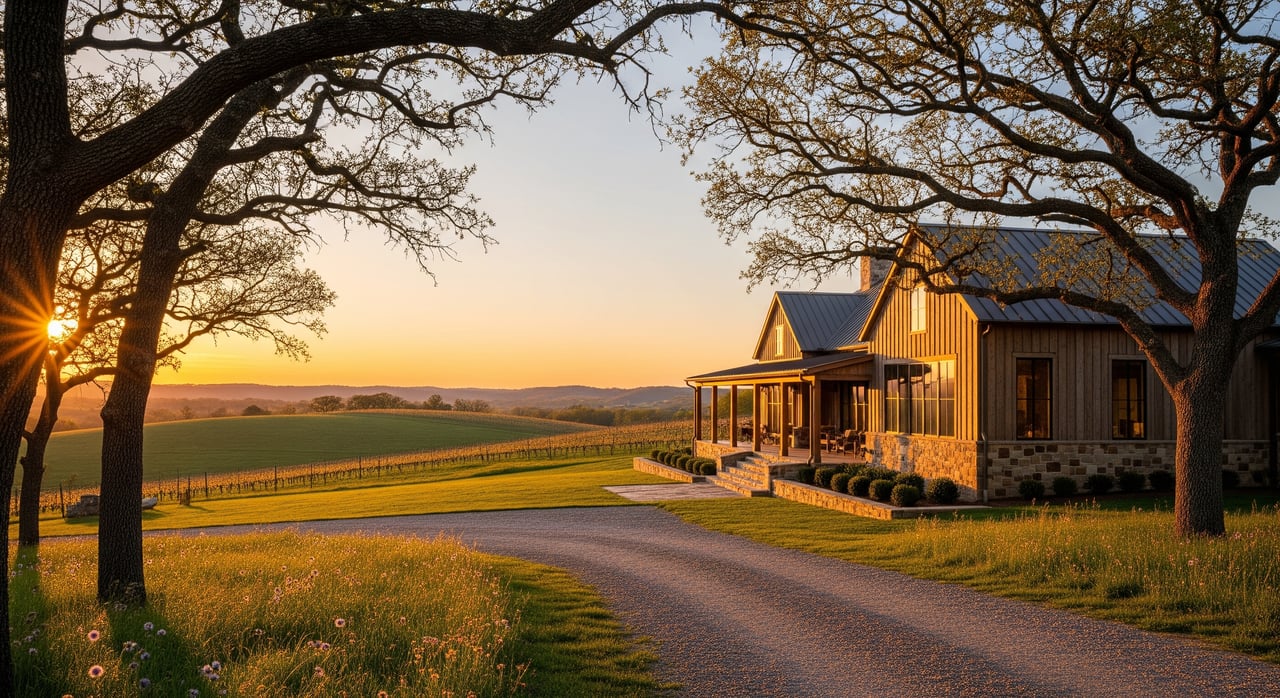
Relocating to Arrington TN: What to Know Before You Move
January 15, 2026
January 15, 2026
Thinking about trading city noise for vineyard views and open space? If you are eyeing Arrington in Williamson County, you are in good company. Many buyers come for the acreage, privacy and relaxed pace, then stay for the lifestyle. This guide gives you the essentials on land, utilities, commutes, schools and a two-day scouting plan so you can relocate with confidence. Let’s dive in.
Arrington sits in southern Williamson County and blends rural charm with access to Franklin and greater Nashville. You will find dispersed homes, horse properties and small vineyards instead of dense subdivisions. Weekends often center on wineries, outdoor gatherings and local farm culture.
If you want space for a hobby farm, equestrian use or a quiet estate setting, Arrington is a strong fit. Just plan for a rural-suburban mix where daily life relies on a car and services are spread out.
You are within driving distance of Franklin for shopping, dining and many employers. Nashville is commutable with careful route planning. Arrington’s roads connect to regional corridors like I-65 and I-840, but drive times vary by exact address and traffic.
You will find wineries, cafés and a few rural restaurants nearby. Larger grocery stores and retail clusters are in Franklin and College Grove. For specialty care and hospitals, plan to go to Franklin or Nashville.
Middle Tennessee has four seasons with mild winters and warm, humid summers. Rural roads can feel muddy in wet periods, and low areas can see localized flooding during heavy storms. For any property, review flood risk and drainage patterns, especially near creeks.
Arrington is unincorporated, so Williamson County administers zoning and building permits. Before you buy, confirm the parcel’s zoning, setback rules, and allowances for barns, guest houses or accessory structures. Some acreage carries conservation easements or deed restrictions that limit subdivision or certain uses.
Planned subdivisions may have HOAs, while many rural parcels do not. Ask for recorded covenants and any HOA budgets or rules that could affect your plans.
Municipal water and sewer are not universal in 37014. Many homes use private wells and septic systems. As part of your offer and inspection window, verify:
These items affect both livability and future insurance or lending approvals, so make them a priority.
Understand how you reach the property. Access may be via county-maintained pavement, a private road or an easement across a neighbor’s land. For private roads, look for a recorded maintenance agreement and discuss how snow, ice or washouts are handled. Inspect driveway conditions and confirm legal access is documented in title work.
Electricity is typically provided by a local cooperative, often Middle Tennessee Electric Membership. Some homes use propane where natural gas is limited. Broadband and cell coverage vary by street. Fiber or cable may exist in pockets, while fixed wireless or satellite are common backups.
Do not rely only on provider maps. When touring, run on-site speed tests, try calls and video in multiple spots, and ask neighbors about real-world performance.
Williamson County property values trend higher than the state average, and taxes are assessed by the county. If you plan active agricultural use and qualify, agricultural valuation can reduce property taxes, but program rules apply.
Insurance costs can be higher for rural estates due to distance from fire stations and larger outbuildings. Ask insurers about coverage for barns, equipment and any wildfire or structure-related requirements. Budget for ongoing maintenance like fencing, mowing, septic pumping, well service and driveway upkeep.
A thorough title review and a current survey help surface these issues early.
Public transit options are limited, so expect car dependency. Franklin is usually the shortest commute. Nashville is reachable, but morning and evening peaks can add meaningful time. The best approach is simple: drive your exact route during the actual rush hour windows.
Map alternatives that include local county roads and interchanges with I-65 and I-840. Small routing tweaks can significantly change travel time.
Most Arrington addresses are served by Williamson County Schools. Attendance boundaries can change, and assignments vary by exact address. Before you decide on a home, contact the district to confirm school zoning, bus routes, enrollment steps and any special program applications or deadlines.
Private and faith-based schools are available in Franklin and nearby suburbs. If after-school care is important, ask schools and local providers about waitlists and hours.
Hospitals and major clinics are in Franklin, with specialty care in Nashville. Check the distance to your nearest urgent care and confirm EMS coverage for your exact address. Rural response times can be longer than in urban areas, so this is worth mapping before you commit.
Arrington’s wineries and event venues are part of its identity. They bring tastings, concerts and weddings, plus weekend traffic near venues. If quiet is a top priority, check a property’s proximity to event sites and ask about typical schedules.
For recreation, you will find horseback riding, small-scale farming, nearby trails and county parks in adjacent communities. It is a lifestyle built around land, fresh air and outdoor gatherings.
Use this structure to make the most of a quick visit.
Rural and acreage purchases have more moving parts than a typical suburban home. A seasoned local broker can coordinate zoning and permit checks, line up well and septic inspections, pressure-test commute routes, and surface title items like easements early. You get a clear plan, fewer surprises and stronger negotiation leverage.
If Arrington aligns with your lifestyle goals, a deliberate search and a well-run scouting trip will confirm it. When you are ready, connect with a broker who knows acreage, equestrian and estate properties in Williamson County and can guide you through each decision point.
Ready to explore Arrington with a tailored plan and expert guidance? Schedule a private consultation with LeAnne Constantine to map your move.
Stay up to date on the latest real estate trends.

Weekly Blog
Curious what your home is really worth? Learn how home value is actually calculated and get a free, no-obligation home valuation.
Weekly Blog
A clear breakdown of how home inspections and appraisals differ, who they protect, and why both matter in a real estate transaction.
Weekly Blog
Which home improvements actually pay off at resale? A data-backed breakdown of the renovations with the best return on investment.

Weekly Blog
How to weigh a shorter commute against your dream home when the two don't come in the same package — a practical framework for buyers.

Weekly Blog
It's easy to get swept up in the excitement of house hunting — the open houses, the listing photos, the daydreaming about paint colors. But before you make one of the … Read more

Weekly Blog
How real estate helps build long-term wealth through appreciation, equity, leverage, and tax advantages — explained for everyday buyers.
I pride myself on providing personalized solutions that connect my clients with their dream properties and enhance their long-term wealth.
Get In Touch With LeAnnne To Learn More
LeAnne Constantine
5000 Meridian Blvd, Suite 300 Franklin, TN 37067